
WSG_CORE
GEN_III SYSTEM
Three generations of innovation in hydrostatic CVT technology, delivering symmetric power transmission for wheeled and tracked vehicles with proven performance in 40,000+ deployments worldwide.
Three Generations of Innovation
Documenting the transition from legacy mechanical systems to software-defined drivetrains.
LEGACY_ALPHA
Basic hydrostatic split concept established with initial field testing in agricultural applications. Analog control systems with manual shifting protocols.
- ANALOG CONTROL
- MANUAL SHIFTING
TRANS_FLUX
Enhanced planetary arrangement and improved efficiency through advanced materials and control systems. Predictive torque vectoring enabled via onboard processing.
- HYBRID ACTUATION
- REAL-TIME TELEMETRY
WSG_CORE
Advanced electronic control with modular design. Fully decoupled electronic transmission with zero-latency shifting. 40,000+ units deployed across multiple sectors.
- AI-DRIVEN PREDICTION
- ZERO-FRICTION COUPLING
How WSG Technology Works
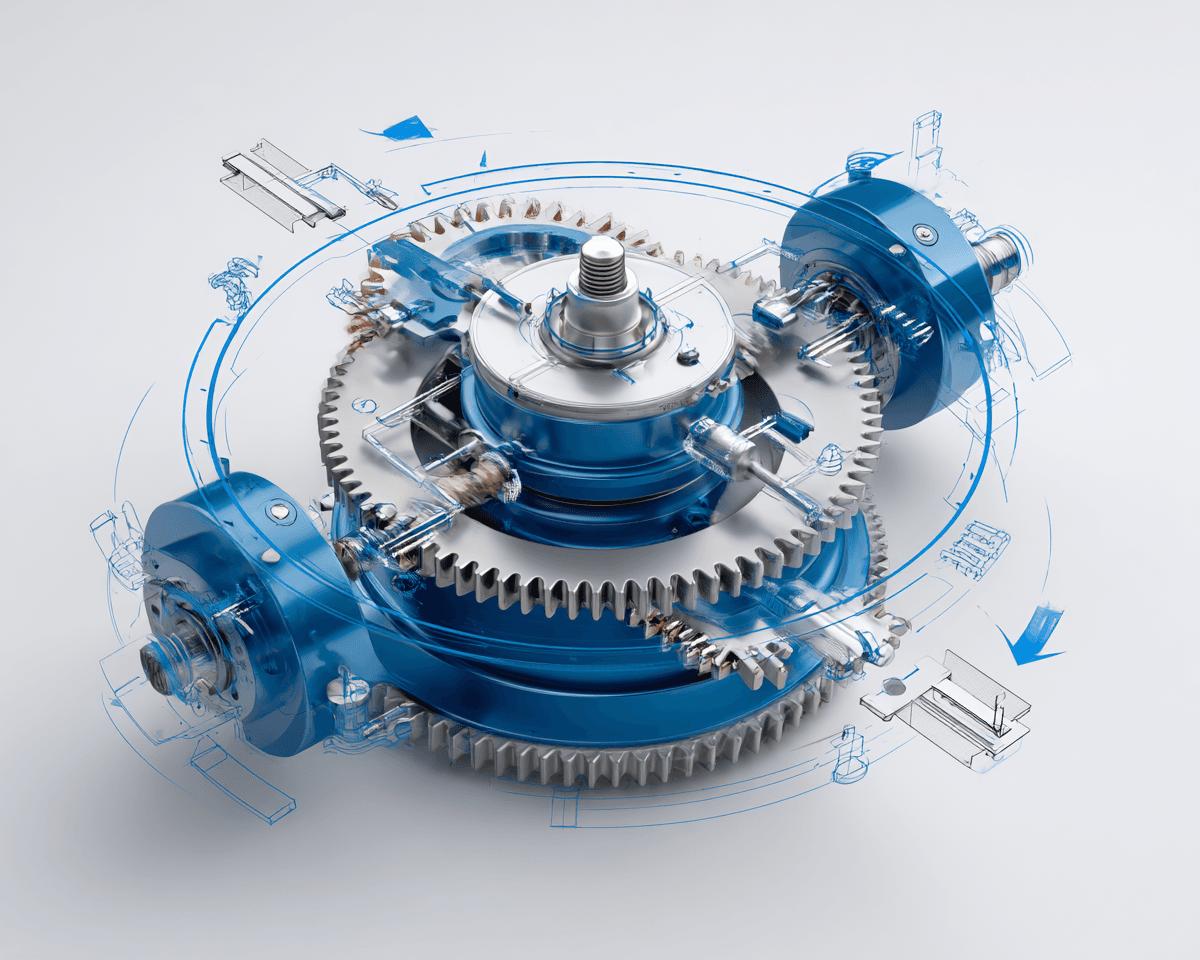
HYDROSTATIC POWER_SPLIT
Two precision hydrostats operating at +/-45 deg angles divide engine power between mechanical and hydraulic paths for optimal torque distribution.
PLANETARY GEAR_SYNC
Stepped reversible planetary drive system combines mechanical and hydraulic power streams with sub-15ms response latency.
ELECTRONIC_CONTROL v3
Modular electronic control system adapts to different driving strategies. Native support for autonomous operation via single joystick interface.
See the WSG_CORE in motion
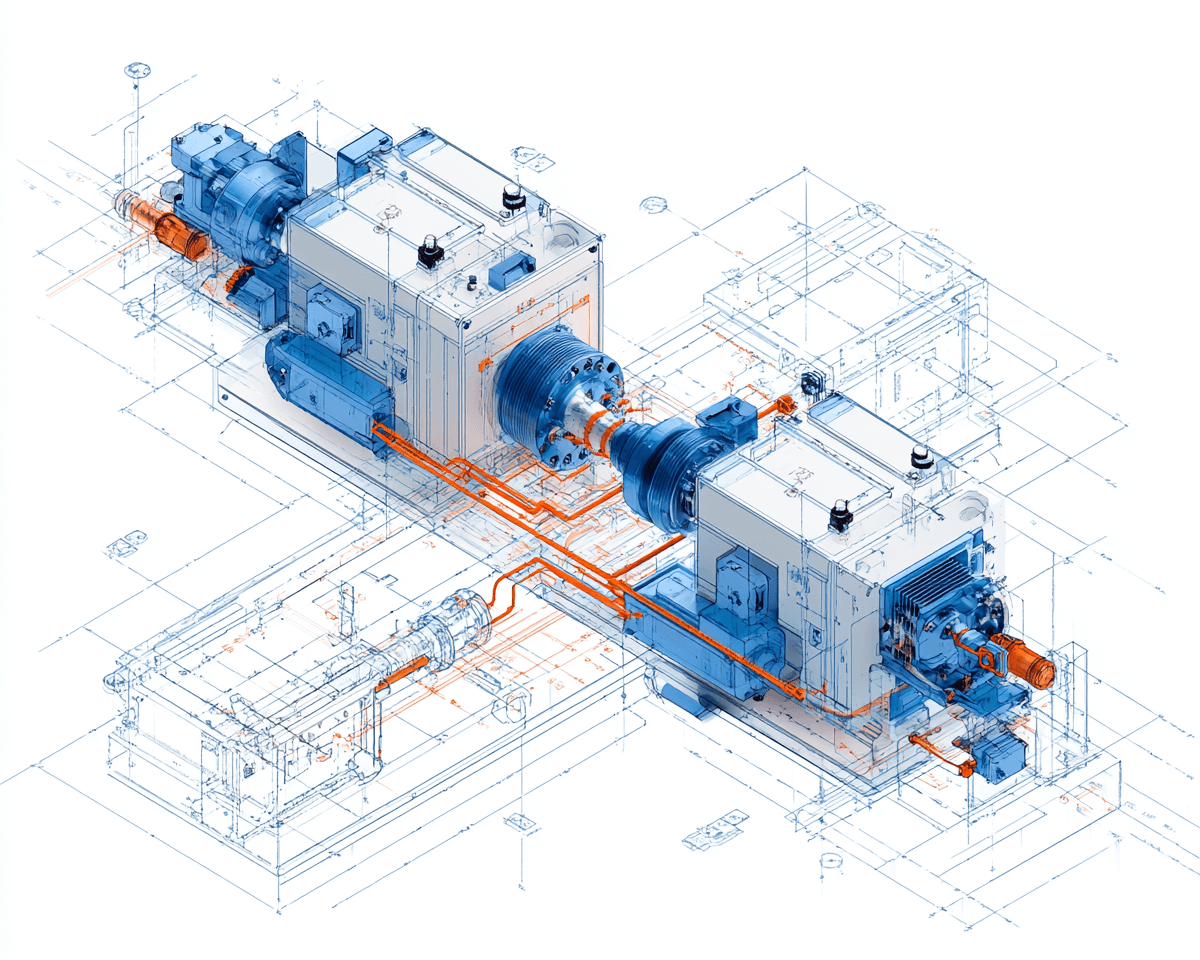
Internal mechanism cutaway and full assembly walkthrough — engineered visualisation of the Gen-3 power-split architecture.
Internal Mechanism
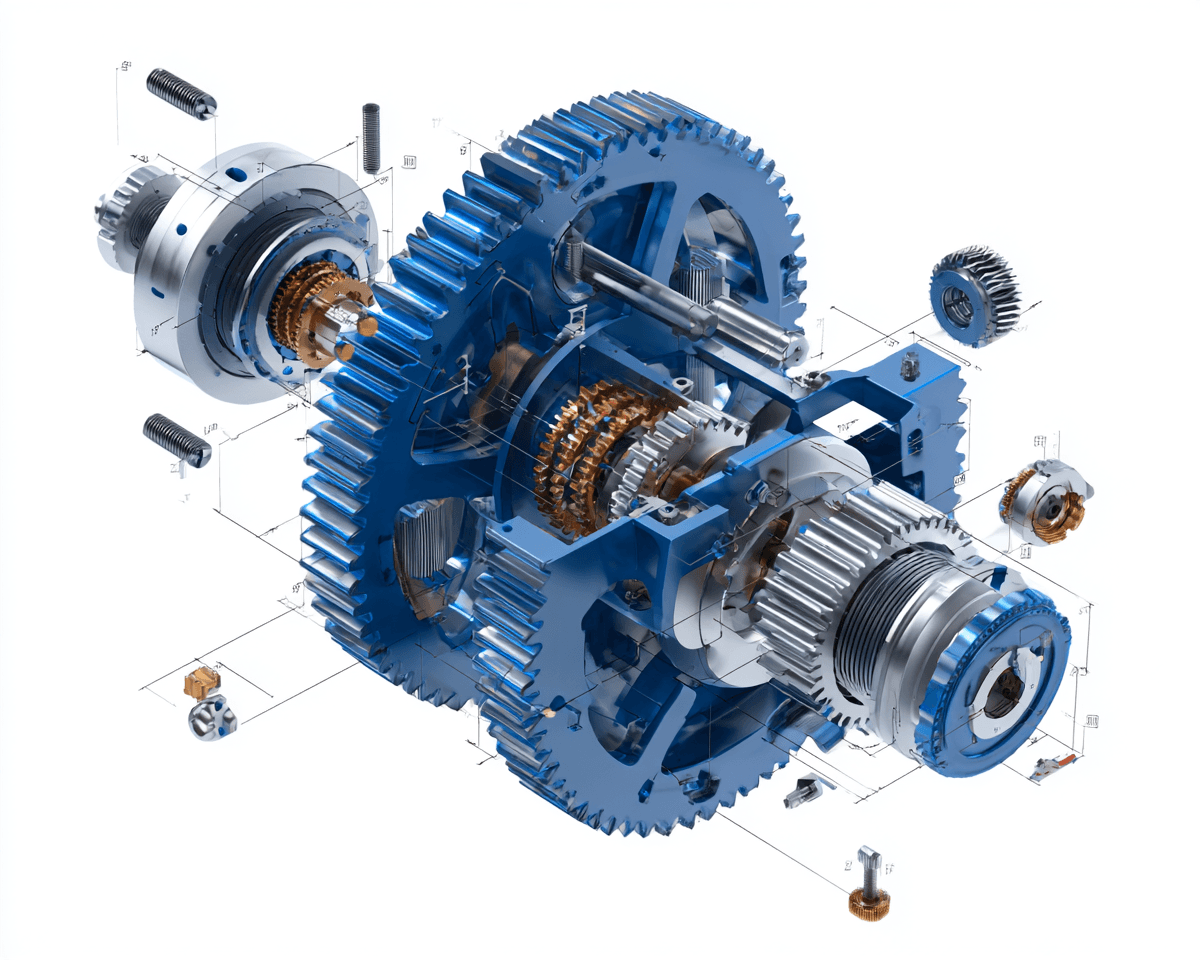
Cutaway view of the WSG_CORE — hydrostat units, planetary stage, and reversible drive synchronisation in motion.
Full Assembly Walkthrough
Complete gearbox assembly traversal — input shaft to output flange, illustrating the symmetric power-split architecture.
TECHNICAL COMPARISON MATRIX
| Metric Class | Conventional | WSG_CORE GEN_III | Competitive |
|---|---|---|---|
| REVERSE_SPEED | Limited (25-40 km/h) | Full Speed (120+ km/h) | 50-60 km/h |
| GEAR_SHIFTING | Manual/Auto Steps | Stepless CVT | Semi-Auto Steps |
| FUEL_CONSUMPTION | Baseline | 10-15% Lower | 5-8% Lower |
| DRIVER_TRAINING | Extensive | Minimal (Joystick) | Moderate |
| AUTONOMOUS_READY | Complex Integration | Native Support | Partial Support |
Efficiency Deep Dive
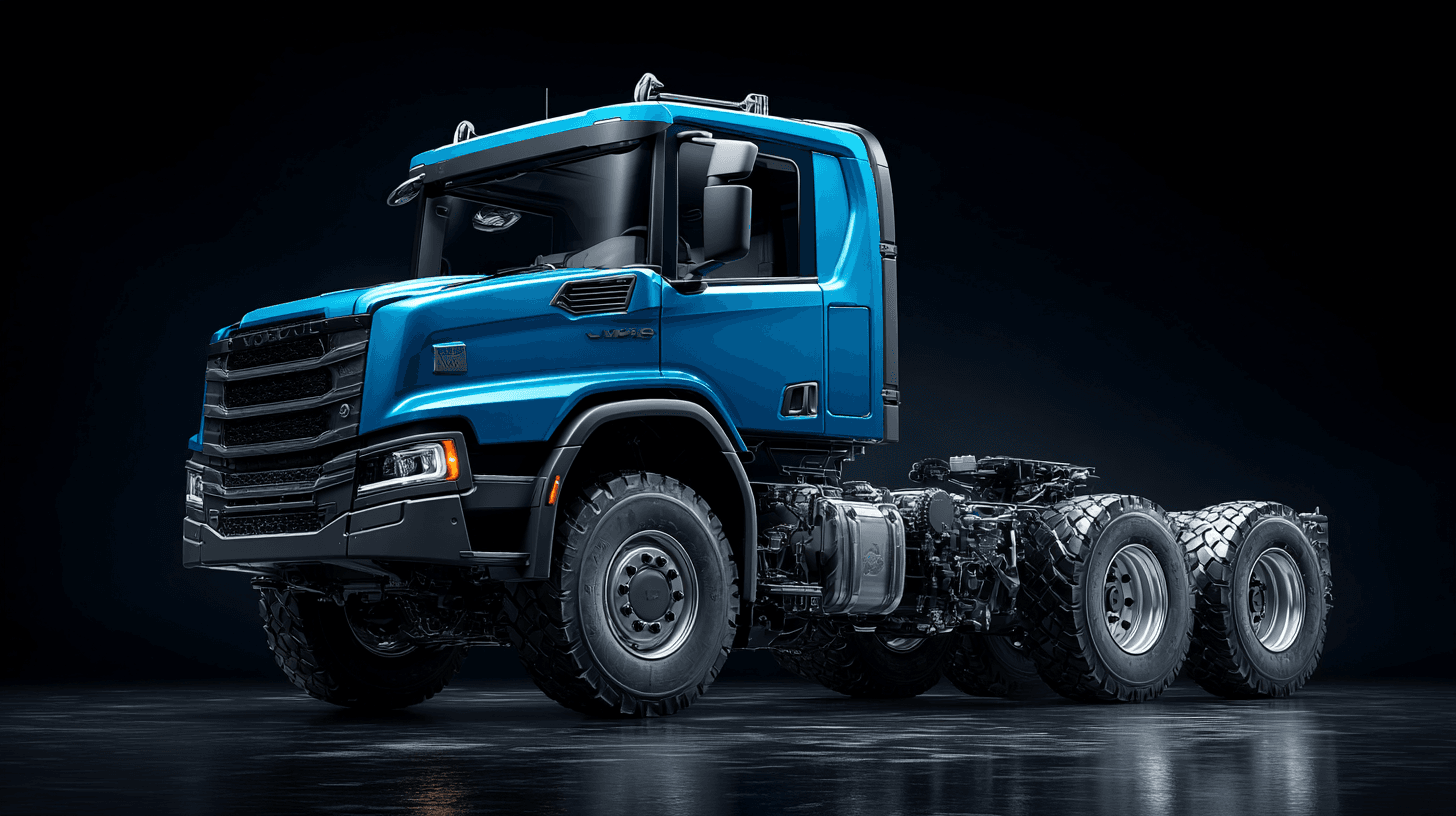
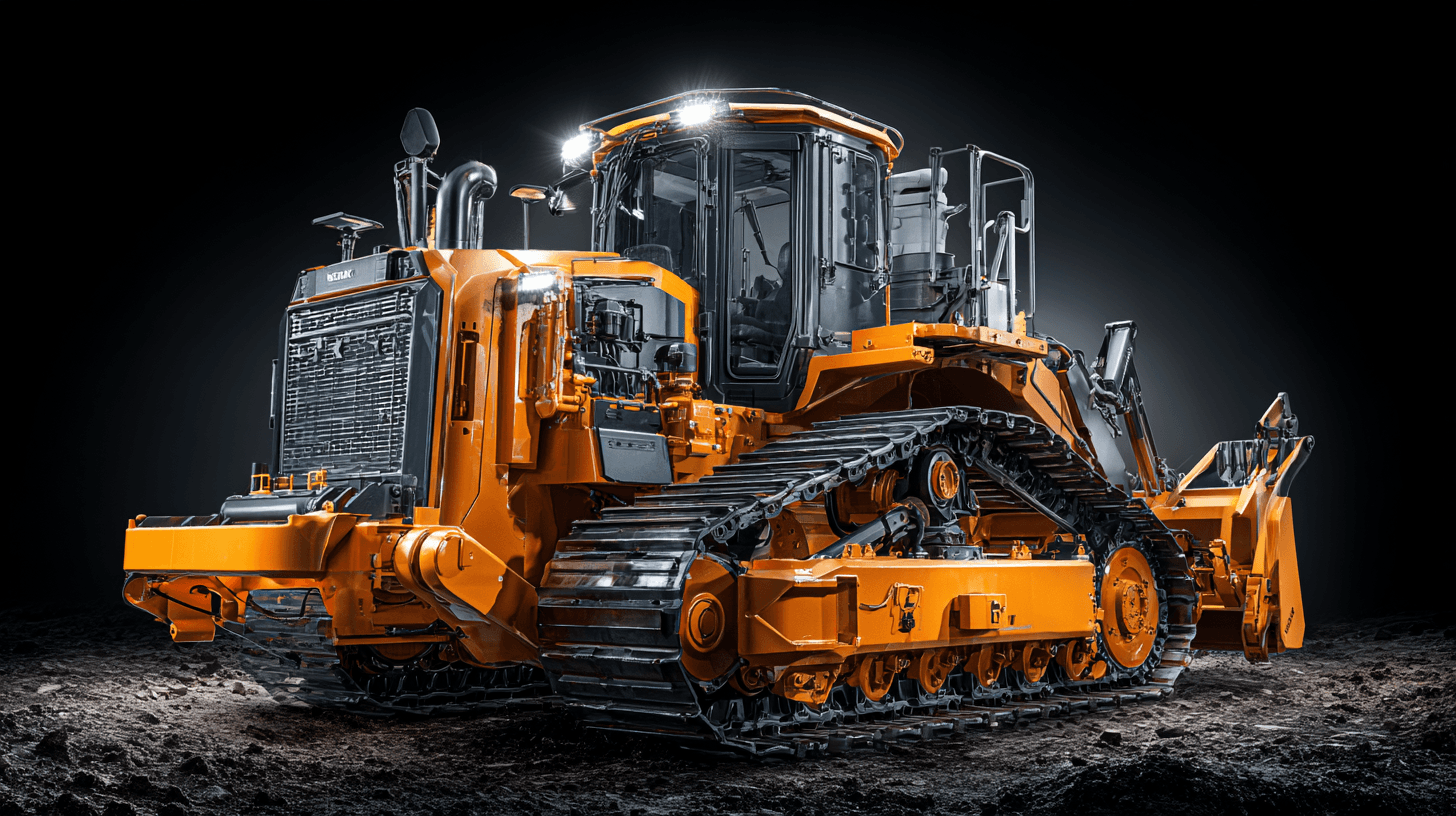
Our WSG delivers more power to the wheel or track, keeps the engine in its optimal operating range longer, and simultaneously reduces transmission losses. The result is a clear system advantage: more traction, higher efficiency, and 10-15% lower fuel consumption with less heat generation — for both wheeled and tracked vehicles across all weight classes.
Engine Operating Map
A diesel engine can produce the same power output at different speed-torque combinations — but not at the same fuel efficiency. The most efficient zone lies at low to medium RPM with higher torque. Our WSG keeps the engine in this optimal range significantly more often than conventional transmissions.
WSG System Efficiency
Our wide-angle power-split transmission delivers high traction force, high transmittable power, and exceptionally high efficiency across a wide speed range. As vehicle speed increases, the hydrostatic power share transitions into more energy-efficient domains while the mechanical power share dominates — significantly reducing losses.
The Core Advantage
The decisive advantage of our WSG lies not only in higher transmittable power, but in the combination of high power density, high efficiency, and optimal engine operating points. This results in approximately 10-15% fuel savings compared to modern automatic powershift transmissions — and even greater savings versus conventional manual transmissions.
Engine Operating Map — Fuel Consumption
Power Split — Hydrostatic vs Mechanical
Units Deployed
Symmetric Speed
Fuel Savings
Next Step
Get the Full WSG Gen-3 Specification
Detailed power-split architecture, efficiency curves, and integration parameters — provided under NDA.